Season Two of Nic Pizzolatto’s anthology crime drama is experiencing a sophomore slump, but did it ever have a chance?
Rarely does a show experience such groaning disappointment and fervent ‘trending’ anticipation all at once. This combo has crowned into a hysterical mob of cultural sadism, like a car crash, or say, an overwrought mass shootout you can’t turn away from. Critics reveling from their mezzanines, throwing tomatoes with one hand and tossing popcorn into their cackling mouths with the other. Social media has been a schoolyard beat down of jokes poking at everything from the confusing plot to the faux mysteriousness of its characters.
There was nowhere to go but down, and in retrospect, we should all be kicking ourselves for being so optimistically hyped about the succeeding season of Nic Pizzolatto’s True Detective. What did we really think was gonna happen after Fukunaga departed. Rustin Cohle would be laughing at our blind hopefulness. 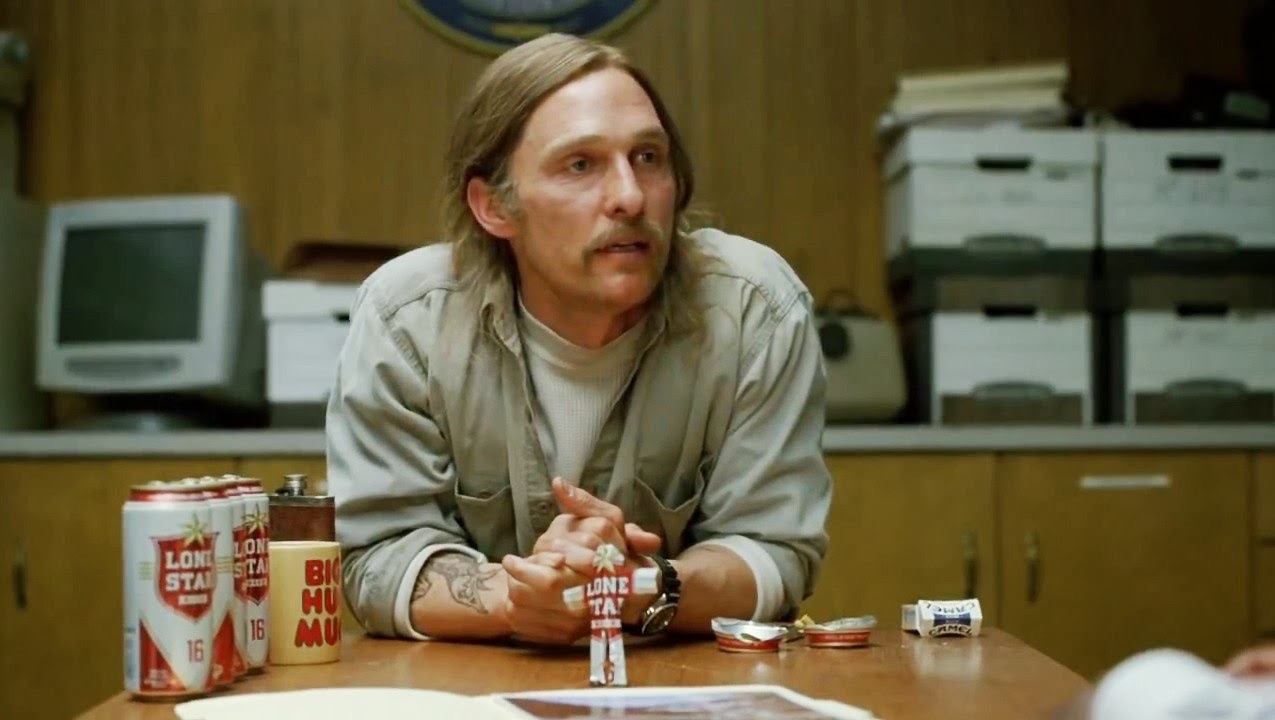
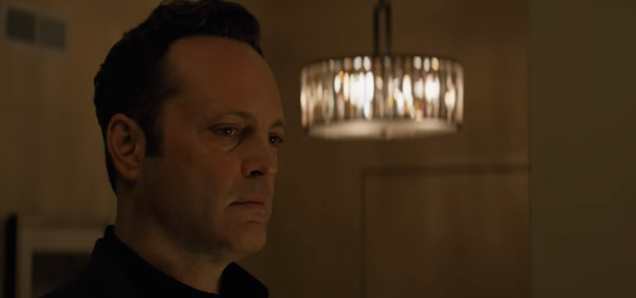
This is the part of the article where one gives a quick run-through of the shows premise. Easier said than done. Ok so, um, well you have Ray Velcoro (Colin Farrell), an alcoholic detective in Vinci, an industrial municipality run by corporations. He’s going through some child custody drama but more importantly is bent to the whim of Frank Semyon (Vince Vaughn), dirty mob entrepreneur trying to go clean, due to a past favor. Ani Bezzeredes (Rachel McAdams) is rough-around-the-edges cop possibly dealing with some repressed sexual issues due to having been raised on some sort of spiritual commune. And then there’s Paul Woodrugh (Taylor Kitsch) former seen-some-things armed forces motorcycle cop who’s struggling to stay in the closet.
These characters are brought together by the brutal murder of Ben Caspere, city manager and business partner of Semyon. Semyon entrusted Caspere with $5 million for a legitimizing high speed rail project, which he finds out Caspere embezzled before his death, causing Frank to lose most his fortune and faith of potential investors and developers. Velcoro is sent by Semyon to investigate, while simulataneously put on the case by the Vinci PD along with Bezzerides and Woodrugh. As a result, feathers are ruffled, alliances are tested.
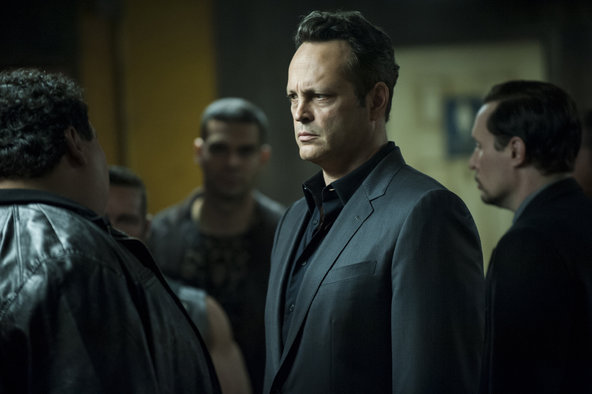
Colin Farrell and Rachel McAdams are fine actors who’ve done no wrong in portraying their characters, but they were done few favors in dialogue. Pizzolatto’s major sin was assuming peak-McConaughey’s ability to become the kind of guy that can speak believably in cryptic, existential crime-haiku, could be repeated by just anyone. McConaughey gave a virtuoso, trance-like performance for 8 episodes that won’t soon be forgotten – that wasn’t going to happen again.
Cohle was from another planet. It didn’t seem like he should exist, but we had no evidence to refute his occurrence, and that drew us in. Velcoro and Bezzerides, we recognize them, like we did Marty, but we feel they’re putting on; trying hard to fit into a schema they don’t understand. Speaking in a code they can’t break, or break from. The truth is, for all his enigma pandering, Cohle was very matter-of-fact. He’d space out, but only when things got dark, it wasn’t his schtick so much as it was a tick. Something he did when he was nervous.
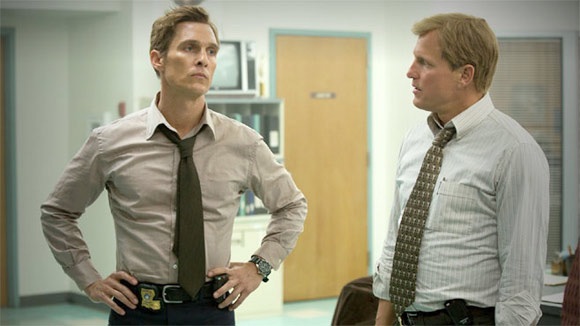
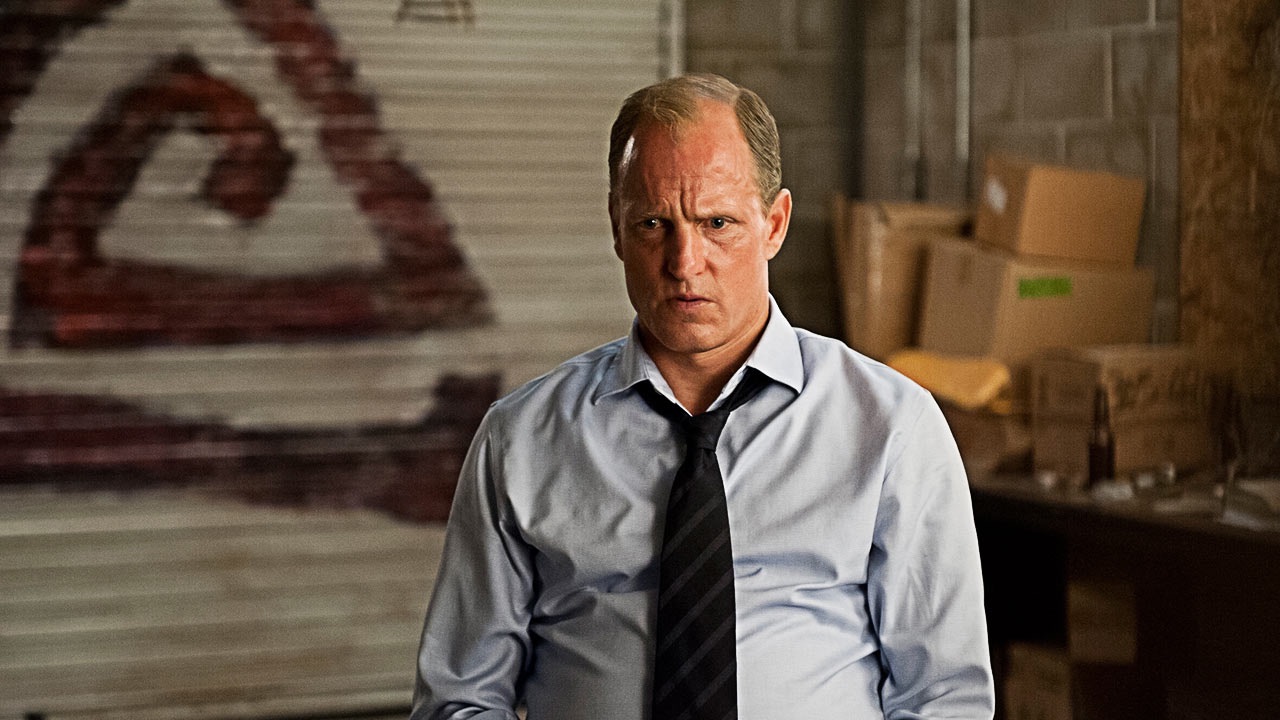
Pizzolatto also forgot about the importance of Marty, someone who is rooted in that every-man-ness, to ground us, and for us to relate to. Woody Harrelson, as Marty provided a buffer between the fraying edges of a metaphysical drunkard and the audience by taking in what Cohle would wax poetic and emit a confused ‘sounds like bullshit’ aura. This helped us feel as though we weren’t missing out on something profound, if we didn’t get it. This season doesn’t have that simple TV/Film 101 canon of the relatable character, and it’s proving detrimental.
In episode 2 Velcoro and Bezzerides share a car ride in which they volley their wounded fronts with quick, cracker barrel cynicism. With each volley, it’s harder to ascertain the roles. One quip Bezzerides is the enigma and Velcoro is the pragmatist, the next it’s the opposite. Who are these people? I find myself wondering. But most noticeably there’s no (intentional) humor; in a show like this a little comic relief is necessary and halfway through without a trace of it from our four main characters, it would feel false at this point if it magically appeared. Even Frank and Woodrugh, they’re so serious and not exactly likeable either. 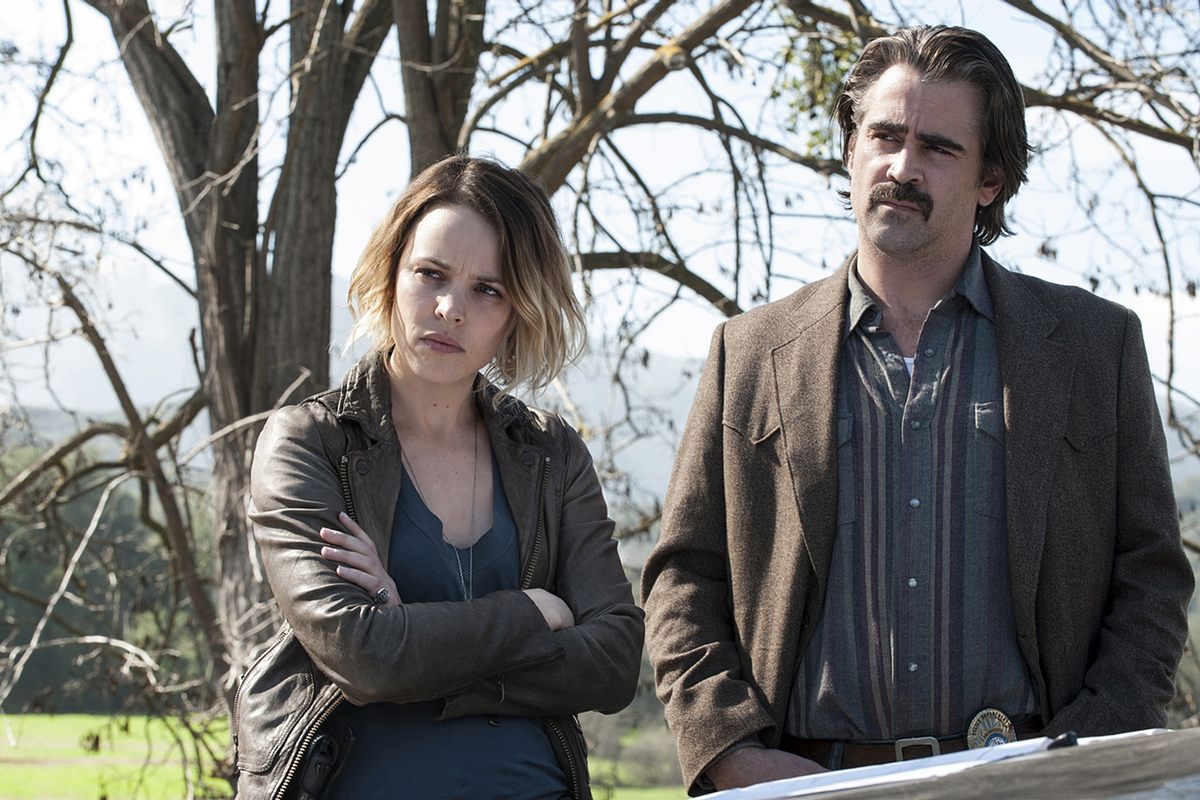
All these new characters have in total too many personal issues for me to care about. And it feels as though they need some of these issues – or thrive off them – as an excuse to have the aloof and disturbed persona they got into this business for. Are they disgruntled assholes because of their demons, or did they create their demons by way of being disgruntled assholes. It’s hard to say, and thus impossible to empathize. We can’t connect with any of these characters on more than a peripheral level. We are on the other side of the two-way mirror, and all these personalities want is to talk to their lawyer.
Most the time, it isn’t so much ‘this is objectively bad’ as it is ‘Season One didn’t have to do this.’ And that’s a tough spot to get yourself out of, if you’re Pizzolatto. For example, the much talked about shot of Velcoro, in a ski mask, shushing a young bystander before breaking into an apartment, in a vacuum is kind of cool. I can envision myself getting a kick out of a kitsch ploy like this in a Coen brother’s movie – but here, I felt my skin crawling and face scrunching up thinking, ‘Season One didn’t have to do that’. 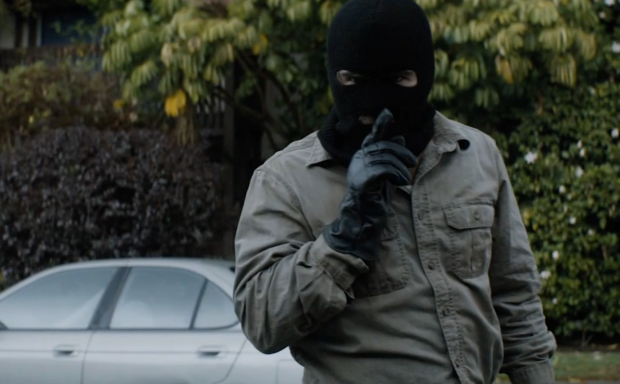
In Season One, the strangeness was frightening. It was unknown and otherworldly, yet could be lurking around any corner. In Season Two, the strangeness feels forced. David Morse as a cult spiritualist feels more like a SNL skit left on the floor, and Vince Vaughn boxing a gold-grilled gang leader in a basement is like bizarro world Fight Club. Then when it tries to be frightening, it bashes us over the head with an indiscriminate and preposterous shootout. With no clear villain we feel like the cops who died in this scene died for nothing. Why are we even here? What was that explosion? Who’s in charge? To be fair, the shootout peaks your interest if only because it’s a break from the usual slow-burning dialogue driven scenes. It’s so absurd, and so damaging, that it pulls you in even if it’s reluctantly – a ‘well gotta see where this goes’ type feel. A hail mary.
The key difference is that Velcoro, Bezzerides and Woodrugh aren’t even good detectives. Cohle and Marty were good, if not great detectives with personal flaws, while Season 2’s cast feels more like delinquent detectives/cops on a selfish quest to prove that they are good ones. Why should I care about their redemption when they’re seeking it by way of doing the job’s most basic fundamental duty? Solving a crime. Good for you guys, I wish you luck.
If Season One never existed, we wouldn’t be cynically poo-pooing Season Two the way we are now. We might even be optimistic, and ponder the shows potential for growth and upside (because it’s not that bad). But we already know where it can go, and we’re slowly coming to terms with the fact that it’s not going back there. And that hurts, so we’re bitter and we’re pessimistic. The bar was set too high; Season Two never had a chance. In a sense, there’s at least a meta-tragedy we can get out of this – a once beloved hope for the future, brought to its knees – a dark and cryptic tale à la Pizzolatto; and perhaps, hopefully in the future a tale of redemption and triumph. Rust Cohle once said ‘this place is like somebody’s memory of a town, and the memory is fading’ – and well, you get it.
 The Post-Academy